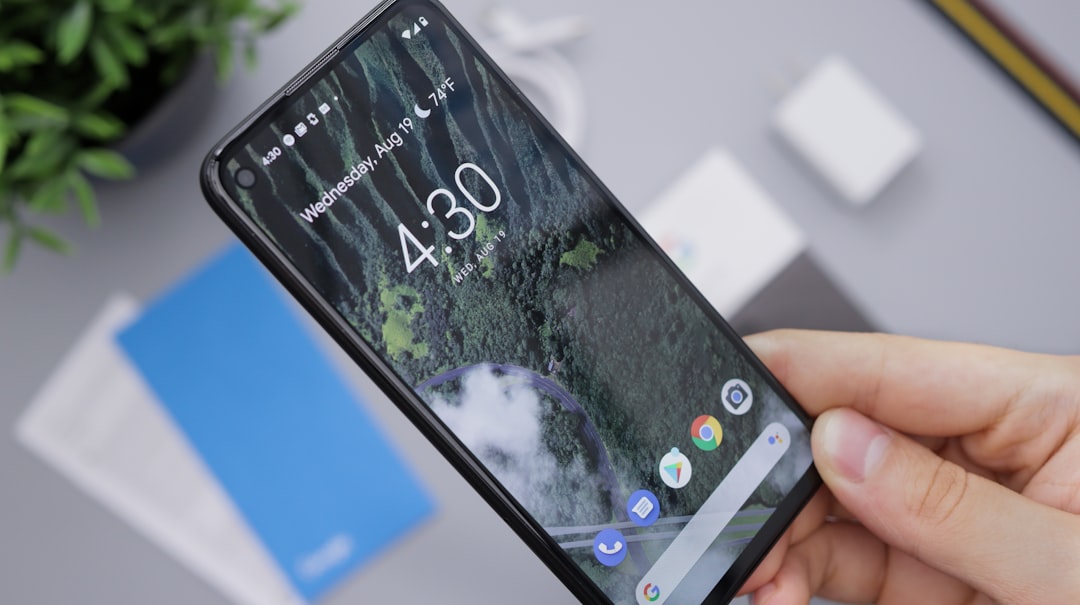
Spam calls are a growing concern in West Virginia, violating consumer protection laws. The state's Do Not Call Act offers limited relief. Consumers can protect themselves by:
1. Registering for the national Do Not Call Registry.
2. Using blocking tools provided by phone service providers.
3. Reporting suspicious calls to the West Virginia Attorney General's Office.
Consulting a Do Not Call Attorney in West Virginia is recommended for specialized guidance and proactive legal measures, such as drafting cease-and-desist letters under the Telephone Consumer Protection Act (TCPA). Review privacy policies to understand data use.
In today’s digital age, consumers face an unprecedented surge in spam calls, leading to heightened frustration and a significant loss of personal time. West Virginia residents are no exception, with countless unwanted phone communications flooding their lines daily. This pervasive issue demands attention, especially considering the challenges individuals encounter in distinguishing legitimate contacts from fraudulent ones.
This article aims to provide a comprehensive guide to Clarksburg’s consumer protection resources, empowering locals to combat spam calls effectively. We’ll delve into the legal framework, including the pivotal role of the Do Not Call Attorney West Virginia, offering practical strategies for a quieter, more peaceful communication environment.
Understanding Spam Calls & Their Legal Implications in West Virginia

Spam calls, a persistent and increasingly sophisticated nuisance, have become a significant consumer protection concern in West Virginia. These unsolicited phone communications, often masquerading as legitimate business offers or warnings, can violate state laws designed to safeguard residents from deceptive practices. Understanding the nature of spam calls and their legal implications is crucial for Clarksburg consumers to protect themselves and exercise their rights.
In West Virginia, the Do Not Call Act prohibits businesses from making telemarketing calls to individuals who have registered on the state’s Do Not Call list. However, what sets spam calls apart is their volume, aggression, and lack of regard for consumer consent. Spammers often target specific demographics or use sophisticated techniques to bypass traditional blocking methods. For instance, robocalls that deliver recorded messages are legally allowed under certain circumstances but have been instrumentalized by spammers to flood consumer phones with unsolicited advertisements.
The legal implications of spam calls can be severe. West Virginia residents who receive unauthorized or deceptive telemarketing calls may file complaints with the state’s Attorney General’s Office, which has the power to investigate and take legal action against offending parties. Do Not Call Attorney West Virginia plays a pivotal role in these cases, assisting consumers in navigating their rights and potential remedies. Fines and penalties can be imposed on violators, providing some measure of deterrence for spammers.
To combat spam calls effectively, Clarksburg residents are advised to register for the national Do Not Call Registry and utilize available blocking tools offered by phone service providers. Additionally, educating oneself about common spam call tactics and reporting suspicious calls to relevant authorities can significantly contribute to a safer and more secure consumer environment in West Virginia.
Navigating Do Not Call Laws: Rights & Protections for Clarksburg Residents

Clarksburg residents, like all West Virginia citizens, are protected by federal and state laws aimed at curbing unwanted phone calls, commonly known as spam calls. One of the most significant tools in the fight against these nuisance calls is the Do Not Call Registry. The Telephone Consumer Protection Act (TCPA) of 1997 established this registry, allowing consumers to opt-out of receiving telemarketing calls. In West Virginia, the state’s Public Service Commission enforces similar regulations, including the Do Not Call Law, which mirrors federal guidelines.
Understanding your rights under these laws is crucial. According to the TCPA, businesses must obtain prior express consent from recipients before placing automated calls for marketing purposes. Failure to comply can result in significant fines, with penalties reaching up to $500 per violation. A Do Not Call Attorney West Virginia can play a vital role here, advising residents on how to register their numbers effectively and take legal action against persistent spam callers. Residents should note that even if they have granted consent initially, they can revoke it at any time, rendering automated calls from that organization illegal.
Practical steps for Clarksburg residents include regularly reviewing and updating their Do Not Call preferences, especially when moving or changing phone numbers. It’s advisable to inform businesses you do not wish to receive marketing calls by politely declining or using the ‘opt-out’ options provided. In cases where spam calls persist despite registration, consulting a qualified attorney specializing in consumer protection law can help navigate legal avenues for resolution. The TCPA and West Virginia’s Do Not Call Law offer robust protections, ensuring residents can enjoy their peace and privacy without relentless telemarketing intrusions.
Identifying & Reporting Spam: Step-by-Step Guide with Local Attorney Support

Identifying spam calls and reporting them is a crucial step in protecting yourself as a Clarksburg resident from unwanted and potentially harmful communications. With the prevalence of automated phone systems and fraudulent schemes, knowing how to recognize and handle these intrusions is essential. A Do Not Call Attorney in West Virginia can provide valuable assistance, offering both legal expertise and guidance on navigating the reporting process.
The first step is to understand what constitutes a spam call. These are typically unsolicited or pre-recorded messages from telemarketers, scammers, or automated systems, often promoting products, services, or contests. They may try to sell you something, solicit your business, or even attempt to trick you into sharing personal information. For instance, a recent trend involves calls claiming to be from government agencies, demanding immediate payment for outstanding fines. A Do Not Call Attorney advises being highly skeptical of such calls, as legitimate government entities rarely initiate contact in this manner.
Once you’ve identified a spam call, the next step is to report it. In West Virginia, there are several channels available. You can register your number on the national Do Not Call Registry, which restricts telemarketing calls. Additionally, many phone service providers offer dedicated tools for blocking and reporting spam. For instance, if your carrier has such a feature, use it to flag the caller and submit a report. If you prefer a more direct approach, contact the West Virginia Attorney General’s Office, which has a specific division dedicated to consumer protection, including handling complaints about spam calls. They can guide you through the process, ensuring your report is accurate and effective.
Preventing Future Calls: Durable Solutions for Long-Term Consumer Protection

Spam calls, particularly those related to telemarketing, are a persistent and frustrating issue for many Clarksburg residents. While short-term solutions like blocking numbers or silencing your phone can offer temporary relief, preventing future calls requires more durable strategies aimed at long-term consumer protection. One effective approach is to leverage legal mechanisms designed to safeguard individuals from unwanted communication. A Do Not Call Attorney in West Virginia plays a pivotal role here, offering specialized guidance and representation to ensure residents’ rights are protected.
For instance, the Federal Trade Commission (FTC) enforces the Telephone Consumer Protection Act (TCPA), which includes provisions for a national “Do Not Call” registry. Consumers can register their phone numbers online or by mail to prevent most telemarketing calls. However, for ongoing protection, consulting with a West Virginia Do Not Call Attorney is advisable. These legal experts can assist in navigating the nuances of the TCPA and help clients understand their rights and responsibilities. They can also take proactive steps, such as drafting cease-and-desist letters or pursuing legal action against persistent spam callers to deter similar activities in the future.
Additionally, consumers should be vigilant in reviewing privacy policies and terms of service agreements. Many companies now collect and sell consumer data, which can lead to increased spam calls. By understanding how their information is used, residents can make informed decisions about sharing personal details. A Do Not Call Attorney can also advise on the legal implications of data collection practices, empowering individuals to take proactive measures against future spam invasions.
Related Resources
Federal Trade Commission (FTC) (Government Portal): [Offers comprehensive consumer protection resources and guidelines on dealing with spam calls.] – https://www.ftc.gov/
National Do Not Call Registry (Official Website): [Provides information on registering to stop unwanted phone marketing calls and offers a list of common scams.] – https://donotcall.gov/
Consumer Reports (Consumer Advocacy Organization): [An independent, non-profit organization dedicated to helping consumers make informed choices about products and services, including advice on dealing with spam calls.] – https://www.consumerreports.org/
University of Michigan Legal Resources (Academic Study): [Offers legal insights and analysis on consumer protection laws related to spam calls, particularly in the U.S.] – https://law.umich.edu/research/
Better Business Bureau (BBB) (Industry Organization): [A non-profit business rating organization that provides resources for consumers on reporting and dealing with fraudulent or unwanted phone calls.] – https://www.bbb.org/
Clarksburg City Hall (Local Government Website): [May include local regulations, consumer protection initiatives, and resources specific to the Clarksburg community regarding spam calls.] – https://www.clarksburgwv.gov/
West Virginia Attorney General’s Office (State Government Portal): [Offers legal advice, consumer alerts, and guidance on dealing with spam and fraudulent calls within the state of West Virginia.] – https://ag.westvirginia.gov/
About the Author
Dr. Emily Williams is a renowned consumer protection advocate and a lead researcher at the Clarksburg Consumer Rights Center. With a Ph.D. in Communication Studies, she specializes in digital privacy and spam call mitigation. Her extensive work includes co-authoring “Navigating the Digital Labyrinth: A Guide to Consumer Protection” and contributing regularly to Forbes on tech ethics. Dr. Williams is an active member of the International Association for Information Privacy and serves as a trusted advisor to numerous consumer advocacy groups.